



Restaurant Management

Why Some Food Businesses Thrive — And What Sets Them Apart

Why Some Food Businesses Thrive — And What Sets Them Apart

Most food entrepreneurs already know the statistics about failure — but statistics don’t tell you what actually separates the businesses that close from the ones that become stable, profitable, and long-lasting. The truth is this: the 40% of food businesses that succeed are not relying on talent, passion, or luck. They are relying on infrastructure. They build systems before problems arrive. They document how their business runs. They understand their numbers. They train their teams against a standard instead of relying on memory. And they treat compliance, pricing, operations, real estate, and agreements as part of the business — not afterthoughts.

This article breaks down the patterns I’ve seen across two decades of consulting food businesses in South Florida and beyond. If you’re building a food business or already operating one, this will show you the operational decisions that protect profit, reduce stress, and allow your business to function without depending on you being everywhere at once. It’s not about avoiding failure — it’s about adopting the practices that the strongest operators already use to succeed.

Why Food Businesses Fail — And What the Statistics Do Not Tell You

Why Food Businesses Fail — And What the Statistics Do Not Tell You

The most expensive problems in a food business are the ones you do not see coming. Not the bad review. Not the slow week. The lease clause that limits what you can serve. The pricing that looks profitable until you calculate what it actually costs to produce. The team that functions only because you are there holding it together.

By the time most food business owners see these problems clearly, they have already paid for them.

Why Culinary Professionals Should Respect Customers' Preferences for Well-Done Food

Why Culinary Professionals Should Respect Customers' Preferences for Well-Done Food

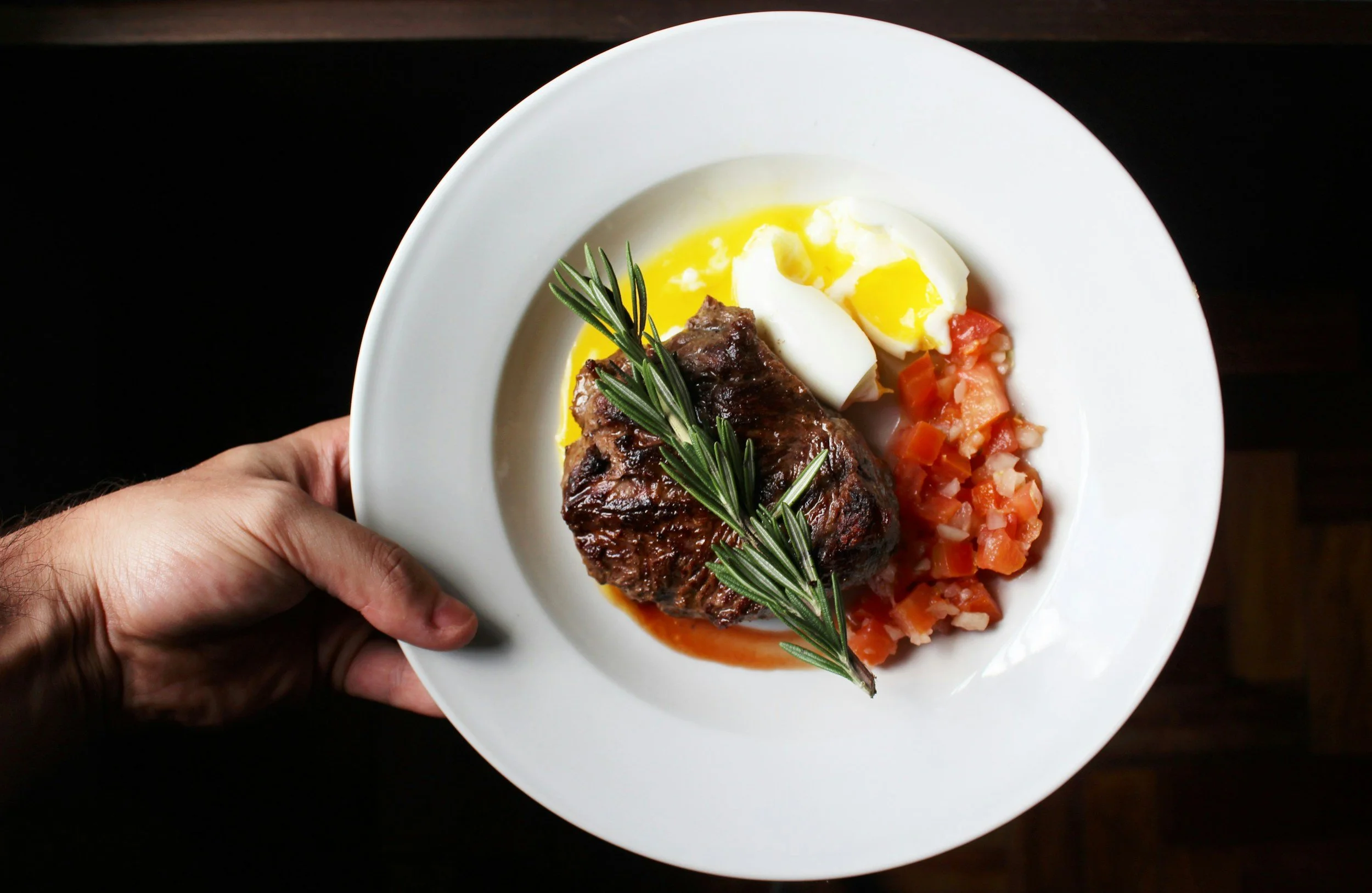
48 million Americans get sick from foodborne illness each year. Yet, ordering food well-done is still frowned upon. A restaurant expert explains why this needs to change. Well-done doesn't mean unsophisticated. It means safe, healthy, and respectful of individual needs. It's time for the restaurant industry to embrace a wider range of culinary preferences. I'm making the case for well-done food, not just for picky eaters, but for everyone's safety.

Passion Alone Isn't Enough: Why Opening a Food-Based Business Requires More Than Love for Food

Passion Alone Isn't Enough: Why Opening a Food-Based Business Requires More Than Love for Food

Opening a food-based business fueled by passion alone can be a recipe for disaster if you overlook the essential business side of operations. While a love for food is a fantastic foundation, thriving in the competitive food industry requires a solid grasp of business fundamentals, from financial management and regulatory compliance to customer-centric strategies. Passionate chefs must remember that a restaurant is more than just a place to eat; it’s a social hub and a source of comfort, where understanding and meeting customer needs is paramount. To avoid the pitfalls of passion-driven ventures, aspiring food entrepreneurs should consider keeping their culinary activities social unless they're ready to embrace the complexities of running a business.