Entering the United States market is one of the most common goals I hear from food brands around the world. But what most international founders don't realize is that the U.S. market is not just bigger — it is fundamentally different. After years of consulting with food companies preparing to enter the U.S., I've identified the patterns that almost all of them overlooked. These are not theoretical observations. They show up in performance, customer reception, and profitability. Here is what you need to know before you make the move.
What South Florida Food Businesses & Restaurants Need to Know About Compliance — Before the Inspector Arrives
Your next inspection in Broward or Miami-Dade County will not be scheduled. It will not be announced. And the violations that close food businesses in South Florida are almost never caused by careless operators — they are caused by missing systems that no one built before the pressure arrived.
This article breaks down what those systems are, what the inspection data from both counties reveals about where and why food businesses fail, and what the operations earning perfect scores are doing differently. If you own or manage a food service business in South Florida, this is the infrastructure conversation your operation needs to have before an inspector walks through your door.
Why Some Food Businesses Thrive — And What Sets Them Apart
Most food entrepreneurs already know the statistics about failure — but statistics don’t tell you what actually separates the businesses that close from the ones that become stable, profitable, and long-lasting. The truth is this: the 40% of food businesses that succeed are not relying on talent, passion, or luck. They are relying on infrastructure. They build systems before problems arrive. They document how their business runs. They understand their numbers. They train their teams against a standard instead of relying on memory. And they treat compliance, pricing, operations, real estate, and agreements as part of the business — not afterthoughts.
This article breaks down the patterns I’ve seen across two decades of consulting food businesses in South Florida and beyond. If you’re building a food business or already operating one, this will show you the operational decisions that protect profit, reduce stress, and allow your business to function without depending on you being everywhere at once. It’s not about avoiding failure — it’s about adopting the practices that the strongest operators already use to succeed.
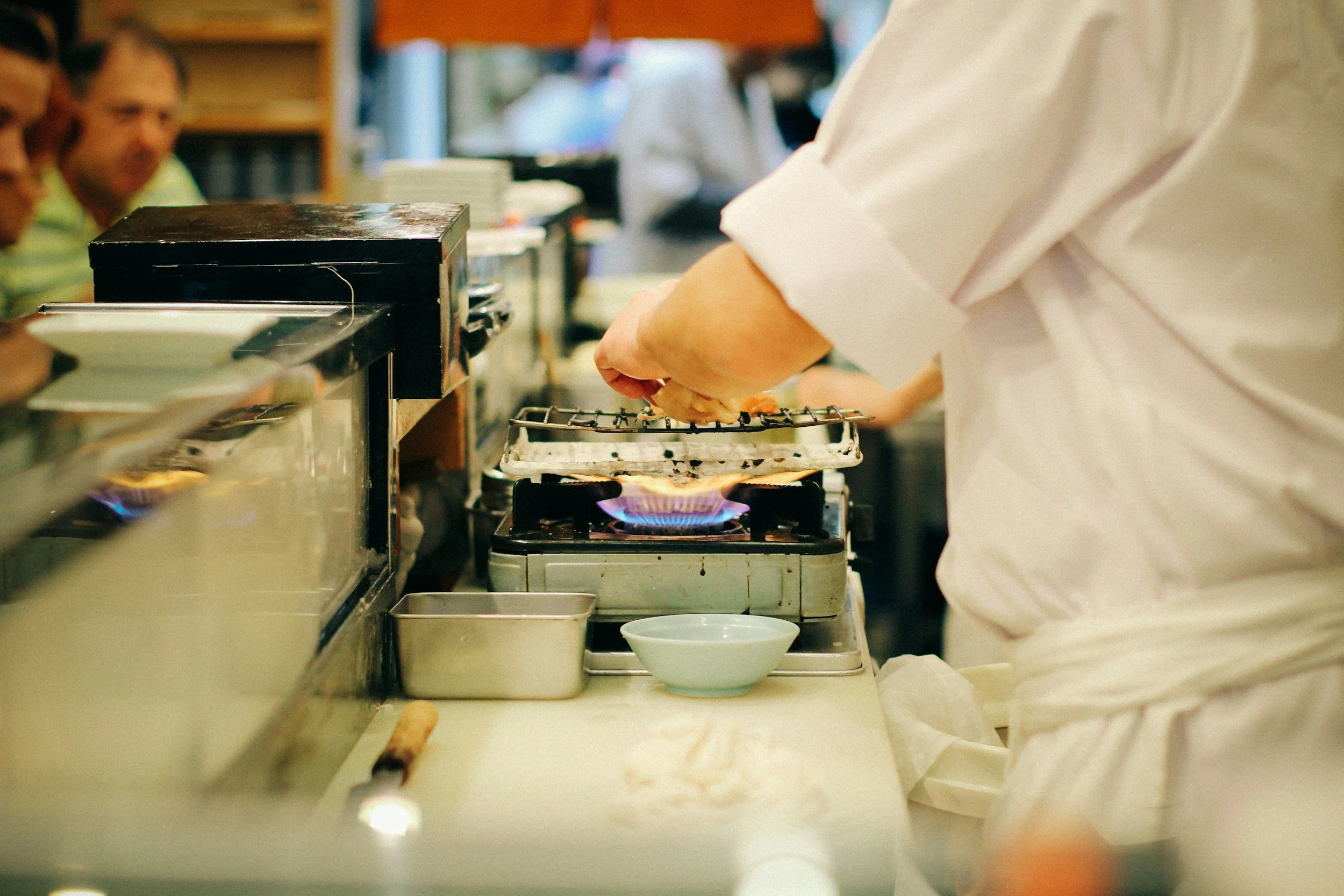
Why Food Businesses Fail — And What the Statistics Do Not Tell You
The most expensive problems in a food business are the ones you do not see coming. Not the bad review. Not the slow week. The lease clause that limits what you can serve. The pricing that looks profitable until you calculate what it actually costs to produce. The team that functions only because you are there holding it together.
By the time most food business owners see these problems clearly, they have already paid for them.
Navigating the Commercial Real Estate Landscape: A Guide for New Entrepreneurs
Starting a new business? Securing the right commercial space is a crucial step. This guide reveals the key differences between commercial and residential real estate, offering new entrepreneurs essential insights and tips to navigate the process with confidence. Learn how to find the ideal location that sets the stage for your business success.